
- Industries
- Food
- Focus topics
UpGrain Classic & UpGrain Protein: Functional barley ingredients for modern food production
Contact person

Małgorzata Barczak-Śmigielska
Sales & Product Manager
IMPAG Chemicals Poland Sp. z o.o.
Food manufacturers are increasingly seeking ingredients that improve nutritional profiles, offer technological functionality, and align with sustainability strategies.
UpGrain ingredients are the solution, derived from the upcycling of brewer's spent grain—a natural raw material rich in protein and fiber.
Through advanced mechanical technology, this raw material is transformed into functional ingredients for the food industry. The result is two products with distinct technological and nutritional profiles: UpGrain Classic and UpGrain Protein.
UpGrain product portfolio
- UpGrain Protein: An ingredient with high protein content, designed to fortify products with protein while simultaneously increasing fiber.
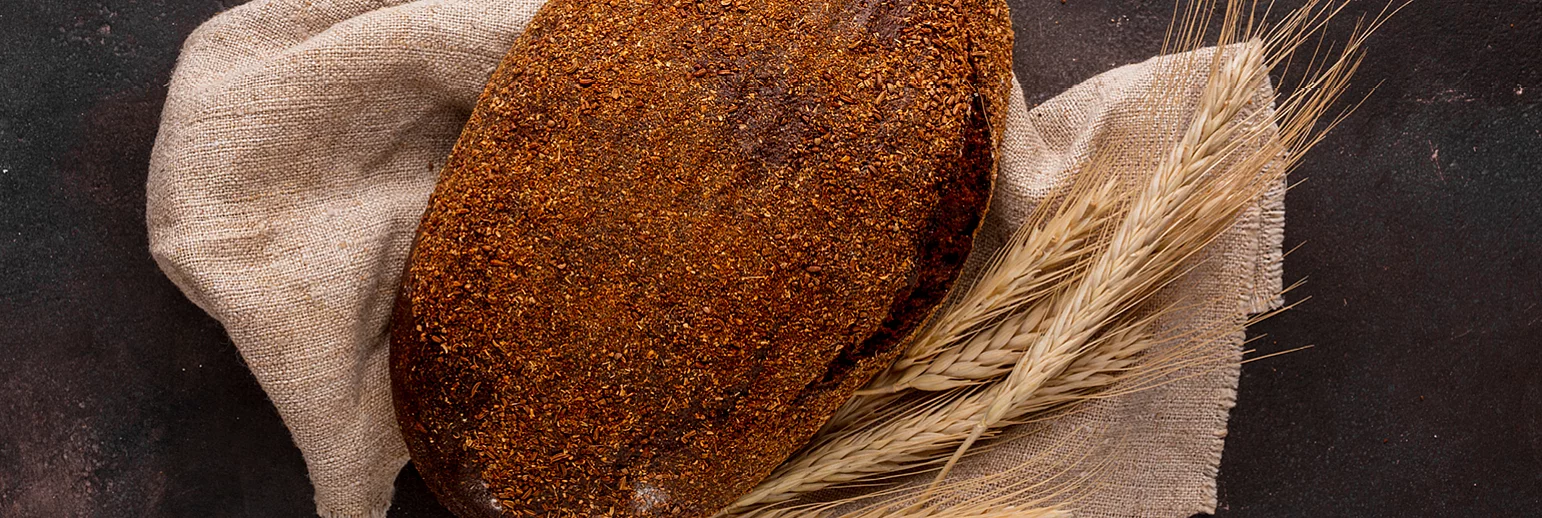
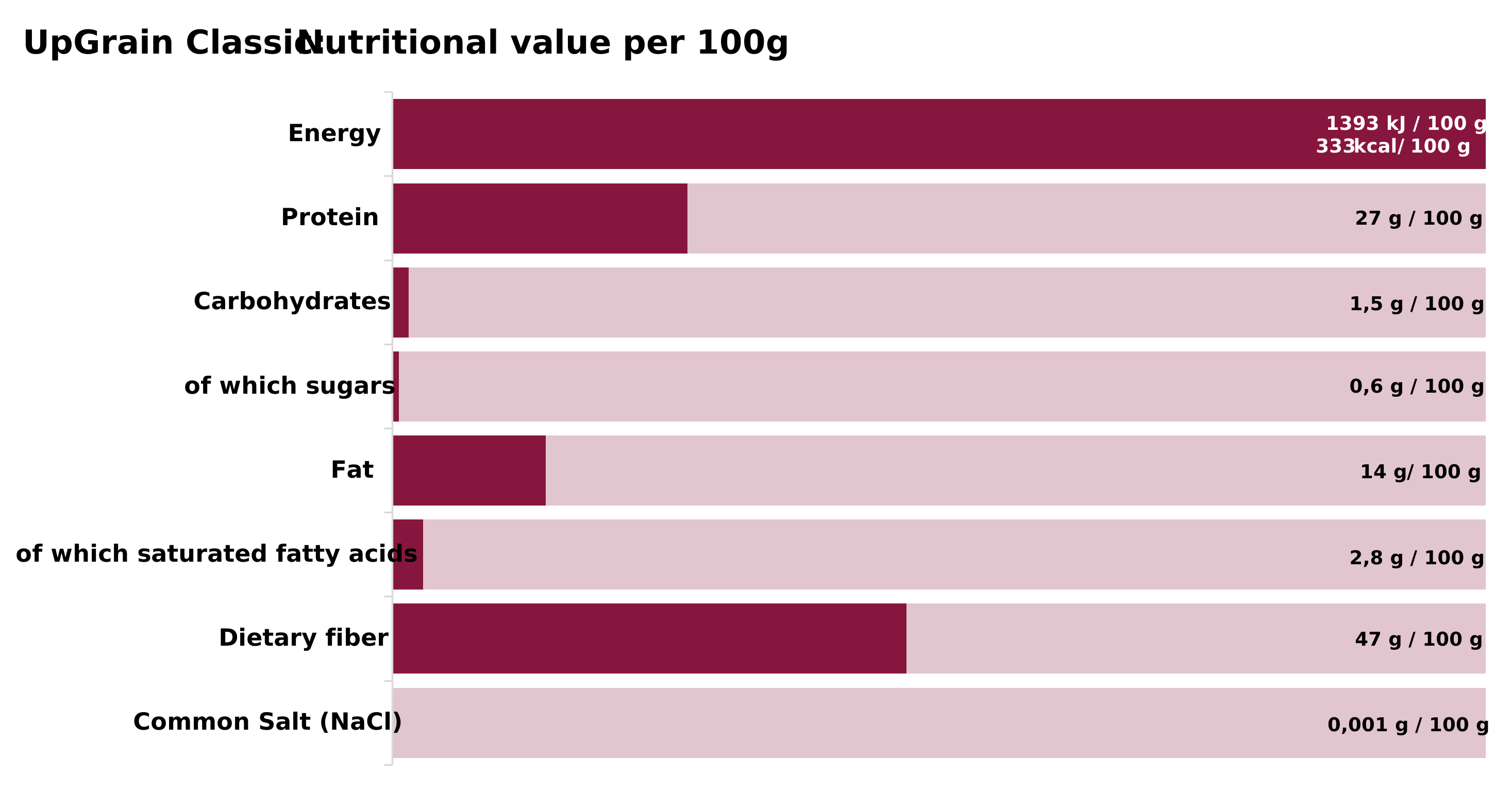
- UpGrain Classic: An ingredient with very high fiber content, allowing for the improvement of nutritional profiles by increasing fiber and reducing carbohydrates.
Both products are created through a mechanical process without technological additives, maintaining a Clean Label status.

Technological and nutritional properties
UpGrain ingredients offer a combination of features essential for food producers:
- Clean Label: 100% barley, GMO-free, and no technological additives. Suitable for vegan diets; Kosher and Halal certified.
- High Nutritional Value: High protein and fiber content with very low carbohydrate and sugar levels.
Technological Functionality: High fiber content aids water retention and product structure. These ingredients can partially replace flour or other plant proteins, usually without requiring changes to the production process.
Technical parameters
| Parameter | UpGrain Classic | UpGrain Protein |
|---|---|---|
| Raw material | 100% barley | 100% barley |
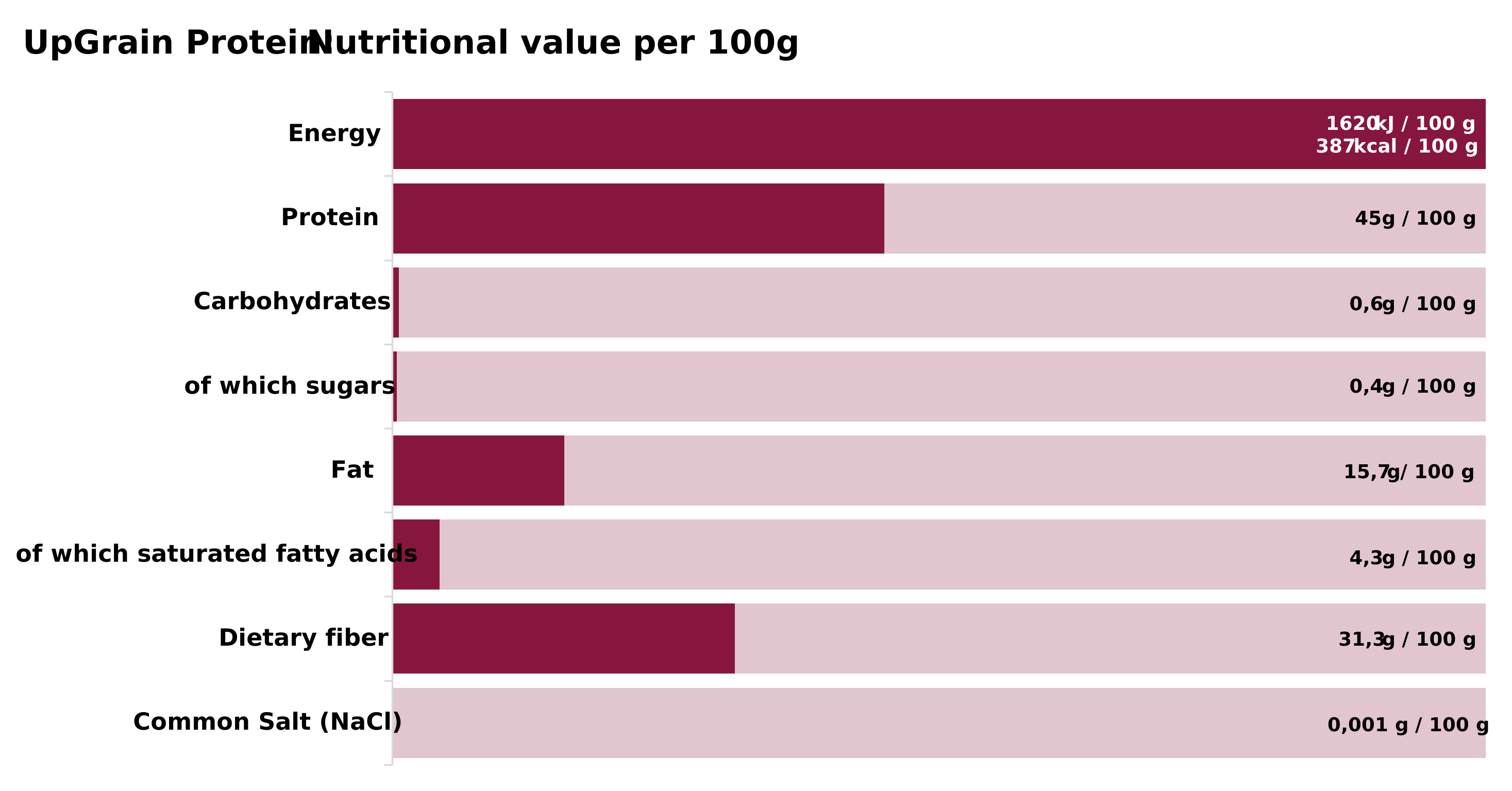
| Protein | approx. 21% | approx. 45% |
| Fiber | approx. 57% | approx. 30% |
| Carbohydrates | < 1.5% | < 1.5% |
| Sugars | < 0.6% | < 0.6% |
| GMO | none | none |
| Additivesv | none | none |
| Dietary status | vegan | vegan |
| Certificates | Kosher, Halal | Kosher, Halal |
| Regulatory status | EU / USA (FDA) | EU / USA (FDA) |
Impact on product parameters
Adding UpGrain can significantly enhance the nutritional profile of finished goods. Typical dosage ranges from 5–30% flour replacement, depending on the application.
- Toast Bread (15% flour replacement with UpGrain Classic):
- 22% less carbohydrates
- 162% more fiber
- 7% more protein
- Pasta (30% flour replacement with UpGrain Protein):
- 36% less carbohydrates
- 143% more fiber
- 148% more protein
- Extruded Crisps:
- 27% less carbohydrates
- 162% more fiber
- 47% more protein
- Cookies (50% flour replacement with UpGrain Classic):
- 36% less carbohydrates
- 756% more fiber
34% more protein

Business benefits for producers
Implementing UpGrain into recipes allows manufacturers to:
- Increase protein and fiber levels.
- Reduce carbohydrate and sugar content.
- Improve water retention and production yield.
- Support sustainability: Upcycled ingredients feature up to 71% lower carbon footprint and up to 90% less land and water usage compared to traditional reference materials.
Applications include: Bakery and functional bread, pizza, pasta, extruded snacks, and high-protein products.

Why is UpGrain worth trying?
- Improved nutritional profile – more protein and fiber, fewer carbohydrates.
- Easy integration into existing recipes – can partially replace flour or plant proteins.
Supports sustainability strategies – upcycled ingredients with a significantly lower environmental footprint.
Ready to test UpGrain?
If you want to see how UpGrain Classic or UpGrain Protein performs in your specific application, contact us. We provide samples and support for application testing.