
Silanes are very commonly used for coupling fillers with polymers. Yet, their range of applications is in fact very limited (e.g. ATH, MDH).This limitation can be overcome by using a titanate or zirconate from our partner Kenrich Petrochemicals, Inc.
This way, all kinds of fillers (including even lime, carbon black, kevlar, graphite etc.) can be dispersed perfectly, with the additional possibility of raising the filling degree to 70–80%.
This not only saves times, but also creates benefits from improved mechanical properties, added flame resistance, and advantageous processing conditions.
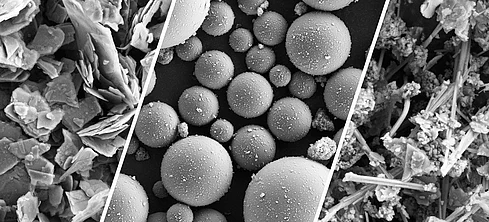
When titanates and zirconates are used, fillers and pigments become coated with a titanate nanolayer. This achieves perfect dispersion of mineral and non-mineral fillers.
The result is compounds with outstanding mechanical and optical properties, as well as optimal integration of the filler into the polymer matrix and the possibility to fill compounds by up to 80%.
The viscosity nevertheless remains very low and the rate of extrusion can be accelerated by as much as 40%.
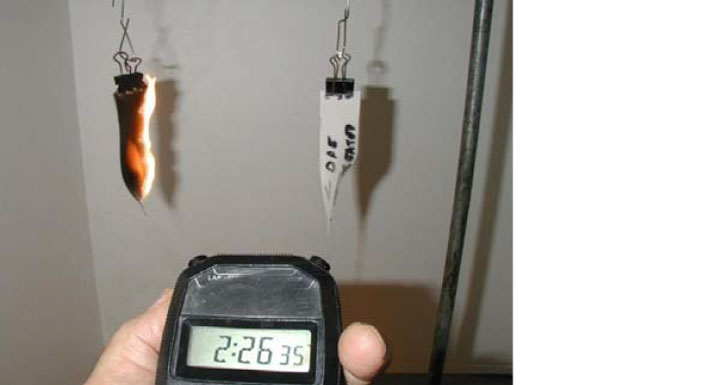
Furthermore, flame-retardant, self-extinguishing properties can be achieved when using a phosphonate titanate.
Example Applications of Titanates / Zirconates in filled compounds
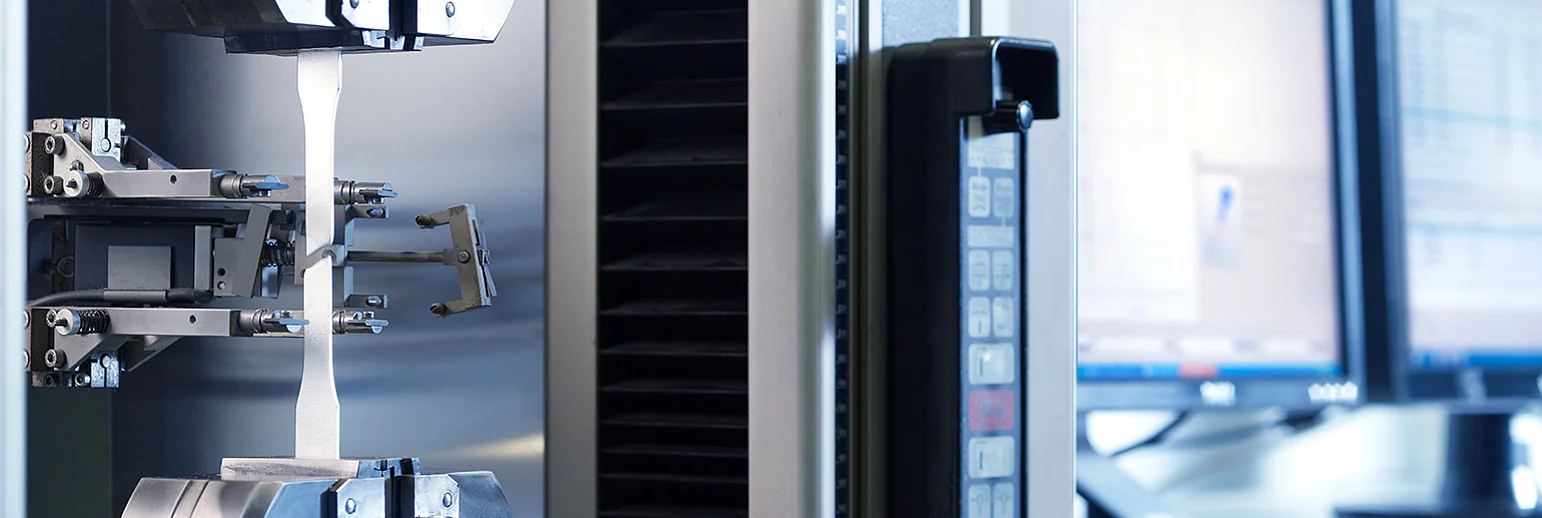
Impressive effects are observed when comparing the mechanical properties of a PP compound that is unfilled with a PP compound that is filled with 50% ATH. The coupling agent used is 0.5% of the titanate Ken-React® 38S:
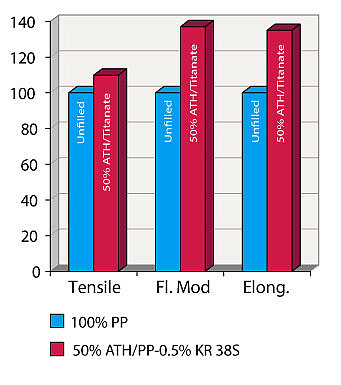
► Tensile strength: +10%
► Flexural modulus: +40%
► Elongation at break: +35%
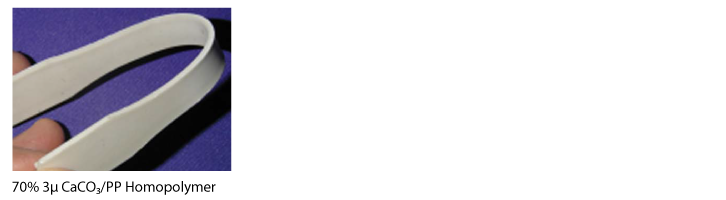
A PP compound filled with 70% CaCO3 (3µ) and treated with 0.5% Ken-React® TTS titanate still exhibits very high elasticity without stress cracks (180° bend):
An LDPE compound filled with 44% CaCO3 and treated with 3% Ken-React® LICA 38 phosphate titanate exhibits an intumescent, flame-retardant effect:
Advantages
Titanates and zirconates are suitable for use in filled compounds and stand out for the following properties:
- Compounds with very high filler content
- Perfect dispersion
- Markedly improved mechanical and optical properties
- Non-halogenated flame protection
- Process and cost advantages from reduced viscosity
- Increased productivity
- Shorter cycle times
- Reduced energy consumption
- Cost advantages from reduced amount of polymer used
Summary
Using titanates and zirconates as highly effective additives in compounds can achieve significant and innovative improvements that increase competitiveness by a large margin. Your products gain both technical and economic advantages.