

![[Translate to English:] Proteínas vegetales hidrolizadas](/fileadmin/_processed_/4/a/csm_Prote%C3%ADnas_vegetales_hidrolizadas2_24b4ca4e7e.webp "Hydrolyzed Plant Proteins: High Solubility, Transparency, and Health Benefits in Beverages")
- Industries
- News & Events
Hydrolyzed Plant Proteins: High Solubility, Transparency, and Health Benefits in Beverages
Contact person

Júlia Filbà
Business Unit Director / Member of the Mgmt. Board
IMPAG IBERIA, S.L.
Clear protein drinks are a big trend right now. They are similar to soft drinks, but enriched with protein. The proteins are usually in the form of hydrolysates. We have included more details in this brief report.
Hydrolyzed proteins and peptides are split proteins produced through enzymatic and chemical hydrolysis. Our hydrolysates offer many advantages:
- High solubility and transparency
- Mild taste
- Minimal foam formation
- Minimal viscosity increase
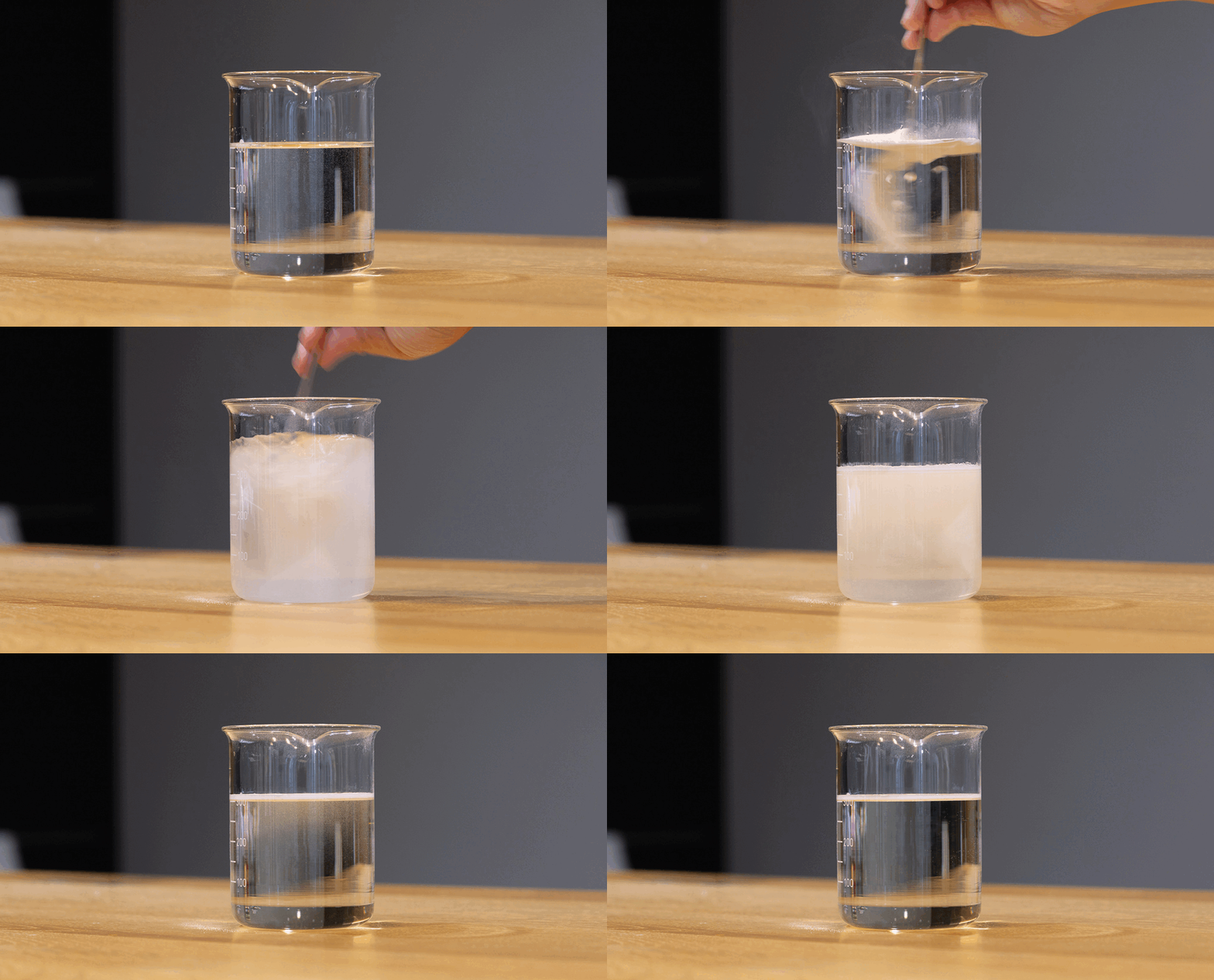
Plant proteins have been criticized for containing antinutritional factors and for having inadequate amino acid profiles. These components, such as trypsin inhibitors, for example, can significantly reduce protein digestibility and, therefore, amino acid availability.
The factors that reduce protein bioavailability are largely broken down during the hydrolysis process, which considerably improves the value of the proteins. As a result, the amount of protein consumed in hydrolyzed form is highly effective, bioavailable, and functional for the body.
The amino acid profile can also be improved by blending plant proteins from different botanical sources. For example, it is especially recommended to combine a legume protein with a cereal protein.
The hydrolyzed protein market is growing every day, adding new alternatives and sources that enrich formulation possibilities and open the door to more innovative solutions:
- Rice protein
- Pea protein
- Corn protein
- Wheat protein
- Soy protein
Please feel free to contact us: we will be delighted to assist you and, of course, to provide technical advice and samples.
You might also be interested in
Fermentates: with high flavour complexity, a pleasant fullness and lots of umami
We are pleased to announce our partnership with The Mediterranean Food Lab (MFL). The 100% natural clean label fermentates are made from pulses, grains and by-products from food production. From use in meat alternatives for a meatier flavour to bolognese sauces with a distinct ‘slow cook’ note, the…